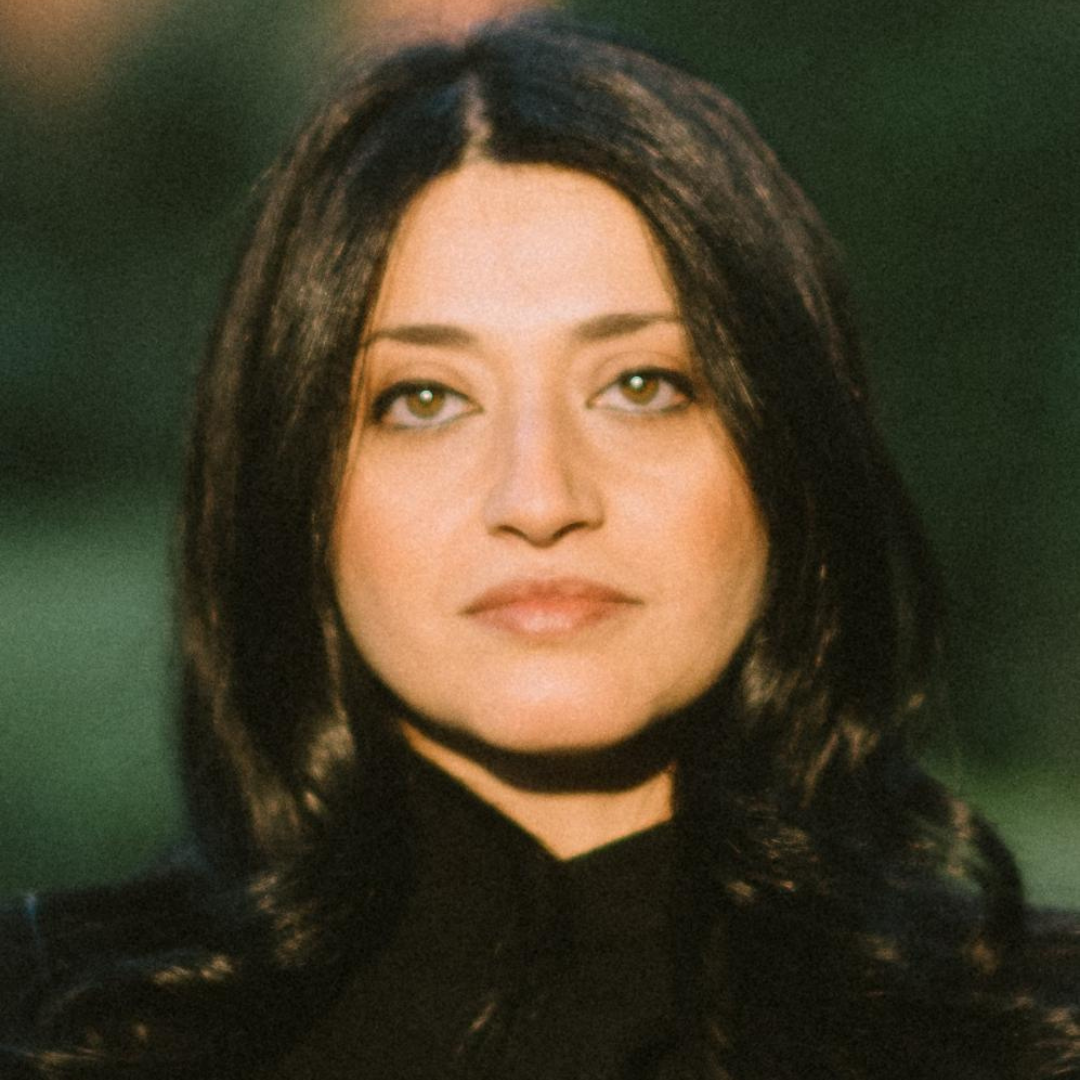
Spring Came On Laughing, a compelling feature debut by director Noha Adel, captured all the attention at the 45th Cairo International Film Festival. The bare and unvarnished depiction of Egyptian women has raised eyebrows and attracted huge attention, creating lines along the red carpet. I got to interview Adel and her producer about the film’s distinctly unique aesthetic, creative process, and message.
A Film Experience Like No Other.
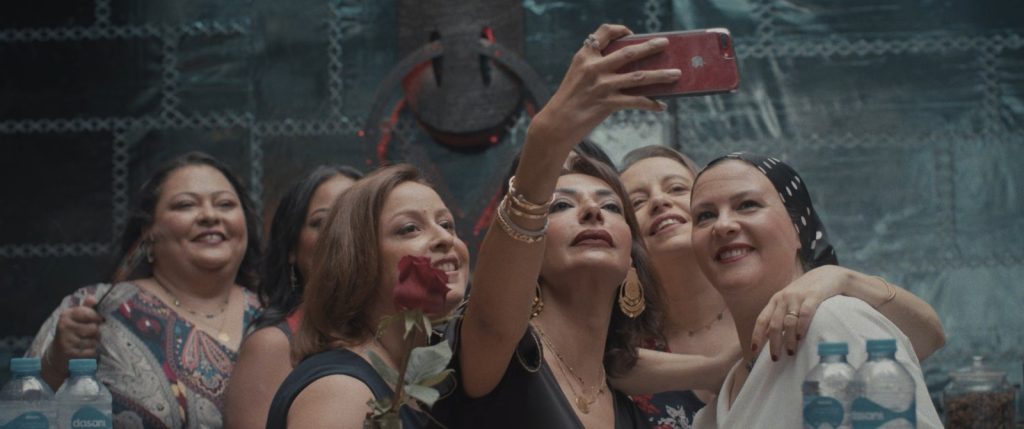
The unique visual aesthetic reveals Adel’s cinematic sensibilities. It’s the camera, shaken by deliberate accident, that puts the viewer in the middle of the action. This is not a film for framing,’ Adel said, insisting that it was about raw feeling and spontaneity. The camera bobs in and out of the crowd, creating the illusion of living in the bustle of people’s lives.
This immersive approach provoked a vigorous response from the crowd. “You feel like you’re in the fight,” I said, remembering the theatre atmosphere. Adel echoed this intent, saying that she would walk the camerawoman around shots, even hugging her shoulders to make sure they were both fully engaged in what was going on.
A Cooperative Memory of Living Experiences.
The film is natural in its improvisation and use of amateur actors. Adel took her inspiration from fact, mixing together accounts from her life and those of her friends and family. “They were pretty improvised because, really, they were always glowing to me as people,” she said of the authentic connections that influenced the shows.
It was an improvisational process with extensive rehearsal. The initial script had served as a guide, but Adel wanted actors to add their own words and experiences to their characters. “Stop worrying about the script,” she said, and encouraged them to act out their characters.
Challenging Expectations and Celebrating Complexity
Spring Came On Laughing dismantles stereotypical depictions of Middle Eastern women. Adel’s characters are not victims but complex human beings struggling to make sense of their circumstances. ‘They want to portray us as victims, but we’re not victims in this movie,’ she claimed.
The film’s emphasis on dialogue and subtle chemistry appealed to Egyptian audiences, but it was also a challenge for foreign viewers. “You get the sentiment and not just the sentence,” I said, which made me appreciate the film’s power to transcend the language barrier and resonate on a visceral level.
A Successful Release on Home Soil
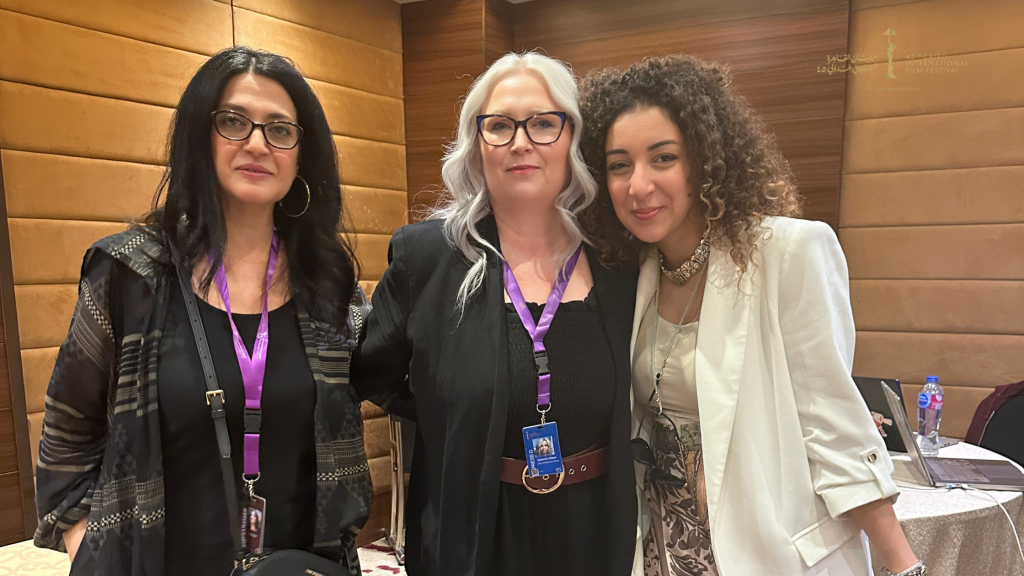
Spring Came On Laughing” premiered at CIFF with purpose. Adel and her producer wanted to savor the film with the community who had created it. “We felt like we had to put the premiere on here,” the producer said. It is their fidelity to their roots that defines the true heart of the film, and its invocation of Egyptian womanhood.
Spring Came On Laughing” is an up-to-the-minute film that defies the status quo and exalts the women’s relationship in Egypt. Noha Adel’s vision and work collectively made for a cinematic experience that felt both personal and universal to those who watched it at CIFF and beyond.
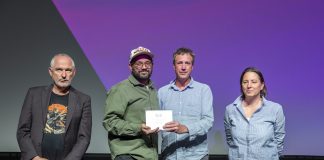
Spring Came On Laughing, is a resounding success at the 45th Cairo International Film Festival. The movie was an overwhelming success among audiences and critics alike, and won four awards:
- FIPRESCI Award: The highest honour granted by the International Federation of Film Critics for the excellence of cinematography and compelling storytelling.
- Special Honors by the Horizons of Arab Cinema Jury: Actress Rehab Anan also deserved a special award for her performance that made the movie stand out among the rest of the cast.
- Salah Abu Seif Award for Best Director: This award goes to Noha Adel for her brilliant directorship skills and capturing a raw, personal narrative on camera.
- Henry Barakat Award for Best Artistic Achievement: This award recognizes the film’s distinct aesthetic and its ability to redefine cinematic form.